
Posts by Sinead Rhodes
How can I support children in my class with PDA?

PDA (Pathological demand avoidance) is seen when a child avoids everyday demands and requests to an extreme level. This can mean not or only part attending school, missing events or complete refusal to initiate common everyday tasks at school. PDA is common in autistic and other neurodivergent children, with one research study reporting that 1…
Read MoreHow can we best support neurodivergent children with learning maths?

There are some easy ways in which children with Neurodevelopmental conditions can be supported. For example a recent study suggested that giving children with ADHD extra time on a maths task was associated with higher rates of completion. Interestingly, in that study less than half of those with ADHD used the extra time. Being able…
Read MoreADHD is not a myth or social construct, it is a neurodevelopmental condition……..when you conclude on the basis of the research evidence
This article was written by Professor Sinéad Rhodes, an academic researcher and co-founder of EPIC Think Learn. As a University of Edinburgh social enterprise spin-out, we provide research-based support and resources for parents and teachers of neurodivergent children. Last Tuesday, 18th August, Channel 4 aired a programme called ‘The Great ADHD myth’ presented by psychiatrist…
Read MoreHow can parents and teachers best support neurodivergent children and teenagers to re-engage back in school?

Many parents are quietly facing a really difficult challenge right now. A child or teenager who doesn’t want to go to school. This comes about because something about school feels overwhelming, unsafe, or distressing. This experience is commonly referred to as Emotionally Based School Avoidance (EBSA). What is the most supportive approach that parents and…
Read MoreHow can I support my neurodivergent child with their experiences of school?
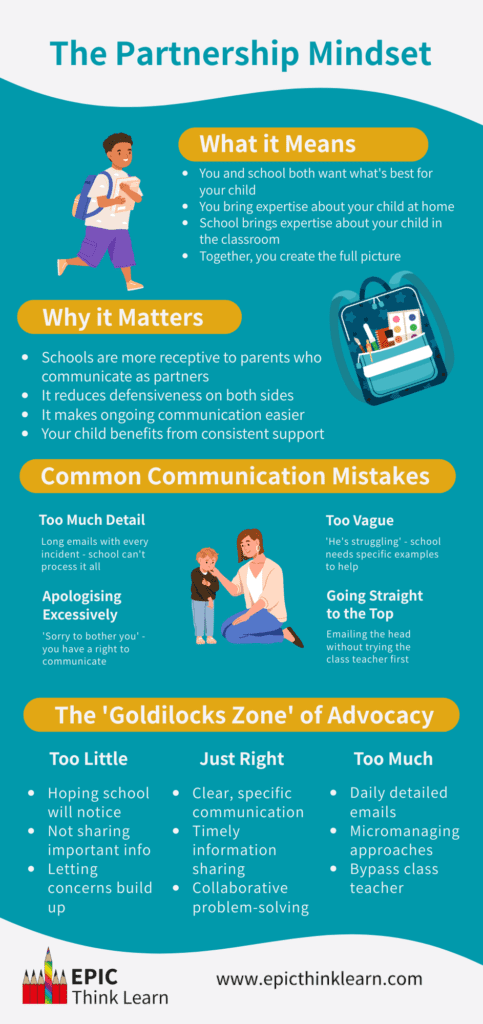
EPIC Think Learn are currently running a programme of activities focused on supporting parents of neurodivergent children and teenagers with school. Many parents are quietly facing a really difficult challenge right now. A child or teenager who doesn’t want to go to school. Not because they’re lazy. Not because they’re defiant. But because something about school…
Read MoreUnderstanding emotional challenges in children and young people with ADHD

This blog was written by Shipei Wang, Tracy Stewart and Sinead Rhodes based on research they have recently published. When we think of ADHD, we often focus on attention and activity levels, such as the challenges of staying still, concentrating, or finishing tasks. But many children with ADHD also experience intense changes in emotions, for…
Read MoreAre fidget toys beneficial for neurodivergent children? A look at the evidence

Fidget toys seem to be everywhere and neurodivergent children and young people are often drawn to them. Research has produced very mixed results as to whether fidget toys could have benefits for children beyond the child enjoying having and using one. So are there any benefits? Research findings have been mixed for a number of…
Read MoreWhat is PDA and what strategies work?

Pathological demand avoidance (PDA) is seen when a child avoids everyday demands and requests to an extreme level. This can mean not or only part attending school, missing social events or complete refusal to initiate common everyday tasks in the home or at school. PDA is common in autistic and other neurodivergent children, with one…
Read MoreHow do I help my child with PDA?

Pathological demand avoidance (PDA) is one of the most commonly discussed topics by parents on parent forums. Children who show pathological demand avoidance avoid everyday demands and requests to an extreme level. This can include avoiding attending school, going out to social events or simply completing everyday tasks in the home or at school. Clearly…
Read MoreCo-occurring neurodevelopmental conditions: impact on behaviour, learning and wellbeing
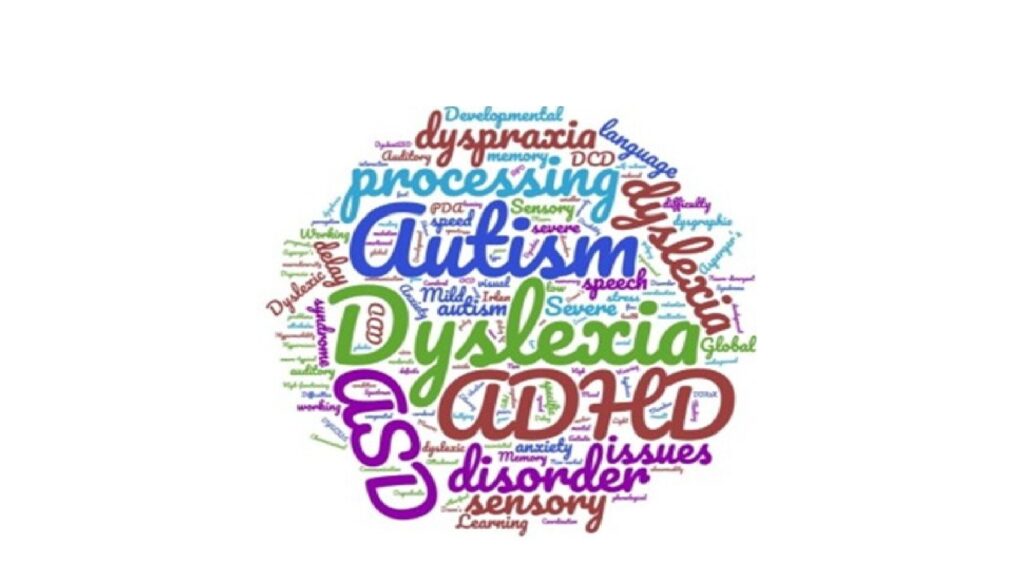
We commonly speak about neurodevelopmental conditions as if they occur in isolation but the reality is they very commonly co-occur. Indeed it is fair to say that having an isolated condition is the exception rather than the norm. How common are co-occurrences? A systematic review we did (which is a review that brings all the…
Read More